Quick take: Your API is more than plumbing — it's a product that fuels growth, partnerships, and innovation. Treat it like one.
Introduction
Look under the hood of every cutting-edge digital experience dominating today's market—from hyper-personalized e-commerce to real-time financial services. What you won't find is a simple, isolated application. Instead, you'll uncover a sophisticated, interconnected web of services communicating flawlessly.
These critical conversations are powered by APIs (Application Programming Interfaces). The era of APIs as mere "technical plumbing" is over.
Why APIs Matter
Today, your API isn't just a backend component; it is a core product offering. Whether serving internal teams, key partners, or direct customers, your API defines your capabilities, extends your reach, and fundamentally dictates your business's success or failure. If your API fails, your product fails.
APIs as Strategic Assets
For too long, APIs have been treated as an afterthought—a "waiter" simply taking orders. This analogy is dangerously outdated. In today's hyper-competitive digital landscape, your API is far more than a messenger.
Your reliable API is the Chief Growth Officer of your digital ecosystem. It enables:
- Massive Scale: A logistics giant to track millions of packages globally in real-time.
- Rapid Innovation: Your e-commerce platform to integrate new payment methods or delivery partners in days, not months.
- Strategic Partnerships: Allowing crucial ecosystem players to build on your data and functionality, creating new revenue streams.
The Unacceptable Risk: Why Unreliable APIs Are a Business Catastrophe
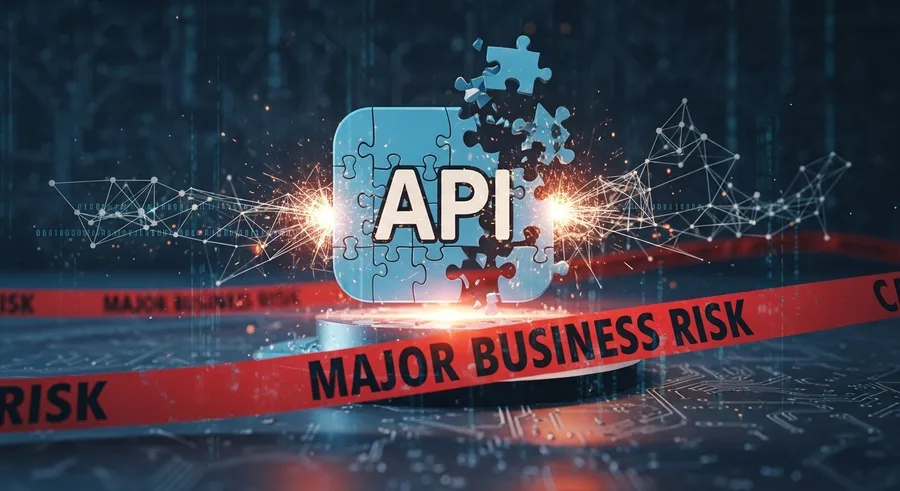
Anyone can expose data. But building an API robust enough to sustain a modern enterprise and its ecosystem is the true challenge. An unreliable API isn't just a technical problem; it's a direct, measurable business risk that can erode revenue, destroy trust, and halt innovation.
- Robustness: The Public Meltdown & Revenue Drain — Imagine your core payment or booking API faltering during peak demand—Black Friday, a major event ticket sale, or critical market hours. This isn't a "glitch"; it's direct revenue loss, a public meltdown, and a swift exit for frustrated customers.
- Security: The Data Breach & Regulatory Nightmare — APIs are prime targets. A poorly secured API endpoint is not just a vulnerability; it's an open invitation for cybercriminals to access sensitive user data, intellectual property, or financial records. This leads to catastrophic data breaches, crippling regulatory fines, and irreparable brand damage.
- Clear Documentation: The Partnership Killer — If your API documentation is confusing, incomplete, or outdated, it's not a minor inconvenience for developers; it's a barrier to partnership and ecosystem growth. Partners will struggle to integrate, increasing their costs and ultimately pushing them to more developer-friendly competitors.
- Versioning: The Ecosystem Breakage & Technical Debt Avalanche — As your API evolves, managing different versions is critical. An unreliable versioning strategy means every update risks breaking partner applications, causing widespread disruption, and forcing costly re-integrations.
The Solution: Elevating API Development to a Business Imperative
The true antidote to these risks is a fundamental shift in perspective: recognizing API development as a strategic business imperative.
This means:
- Investing in Top Talent: Skilled API architects and developers who understand both code and business impact.
- Robust Testing: Continuous security, performance, and functional testing throughout the lifecycle.
- Clear Ownership & Vision: Treating each API as a product with its own roadmap, lifecycle, and dedicated support.
Conclusion: Your API is Your Legacy and Your Liability
In the modern digital economy, your APIs are more than just conduits. They are your digital products, your brand's handshake with the world, and the very foundation of your interconnected business model.
Unreliable API development is not a technical detail to be outsourced; it is your next major business risk. It directly impacts your revenue, your security, your partnerships, and your ability to innovate.
It's time to treat your APIs with the strategic importance they deserve. The future of your business depends on it.