Enterprise leaders planning new builds in 2026 must understand seismic shifts in AI, cloud, security, and platform engineering to stay competitive.
AI-Native Development Is the New Normal
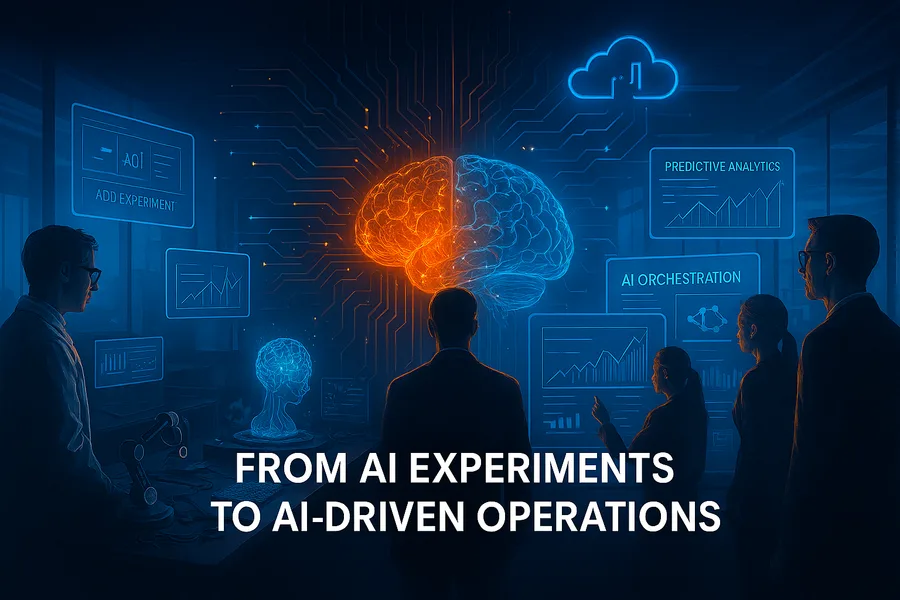
The shift from AI-assisted to AI-native development is complete: full-stack AI agents can now architect, implement, test, and deploy features with minimal human input.
The competitive advantage has moved from coding speed to the ability to validate, architect, and orchestrate AI outputs responsibly and securely.
Strategic Implications
- Hiring: Favor systems thinkers and architects over pure syntax specialists
- Reviews: Assess candidates on their ability to work with and validate AI agents
- Leadership: Prioritize validation pipelines for generated code to ensure performance and security
The Multi-Cloud Reality Check
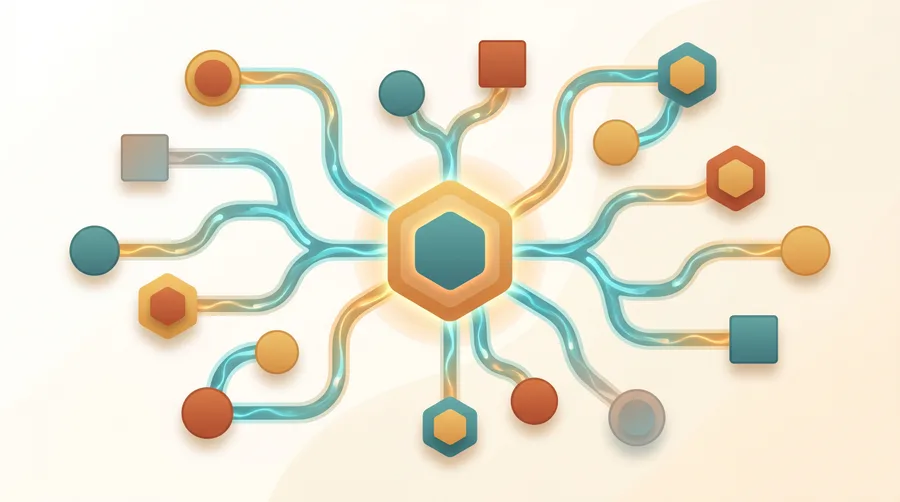
Multi-cloud promise collided with operational complexity—decisions should be workload-driven, not hedging-driven.
- AI training: specialized GPU clouds
- Latency-sensitive apps: place at the edge
- Batch processing: cost-optimized on-premise or cheaper regions
FinOps has matured into cost engineering—model infrastructure expenses before committing to architectures.
Security in the Age of AI-Generated Code
AI-generated code introduces new risks: hallucinated vulnerabilities, poisoned training data, and adversarial prompts.
- Automated scanning for AI-generated antipatterns
- Prompt-injection detection in dev workflows
- Validation pipelines treating AI code as untrusted external contributions
Adopt a zero-trust default: authenticate, authorize, and log every service and data access from day one.
Platform Engineering Reaches Maturity
Internal developer platforms are now essential: top enterprises maximize engineer time on business logic by abstracting plumbing.
- If engineers spend >20% time on infra, you have a platform problem
- If time-to-first-deploy is measured in weeks, you have a platform problem
- If on-call is dominated by infra fires, you have a platform problem
Open-Source Sustainability Inflexion Point
After maintainer burnout and license shifts in 2025, enterprises now fund and hire maintainers for critical dependencies as a risk-management strategy.
AI/ML Workloads Reshape Data Architecture
Design data platforms that support training, fine-tuning, RAG contexts, and real-time inference from day one.
- Vector databases (Pinecone, Weaviate, pgvector) as common primitives
- Data governance for provenance and usage rights
- Pipelines that phone home model inputs and performance metrics for continuous improvement
The Hybrid Talent Model Emerges
Domain experts using AI assistants can build sophisticated apps while senior engineers focus on architecture and business strategy—hire for curiosity and cross-functional thinking.
Edge Computing Finds Its Use Cases
- Computer vision with sub-100ms inference
- Voice assistants keeping sensitive audio local
- Deployments optimized for intermittent connectivity and data sovereignty
The Verdict: Architect for Change, Not Stability
Build systems to evolve. In 2026, technical debt is often an inflexible architectural decision — design for adaptability and ask whether your choices will still make sense in six months. Enterprise software development done right means building with change in mind from day one.